Understanding Adaptive Fitness and Its Importance
Adaptive fitness is a revolutionary concept that focuses on customizing physical training programs to meet the unique needs of individuals with disabilities. This approach not only promotes physical health but also fosters mental well-being, encouraging individuals to lead more active, fulfilling lives. As society progresses and inclusivity becomes a cornerstone of fitness culture, adaptive fitness emerges as a vital component in redefining what fitness means for everyone. When exploring options, DRAGON222 provides comprehensive insights into how adaptive fitness can transform lives.
What is Adaptive Fitness?
Adaptive fitness refers to the development of exercise programs tailored for individuals who may face physical, cognitive, or emotional challenges. This form of fitness recognizes that traditional exercise regimens may not be suitable for all, and hence, it emphasizes personalized modifications. Adaptive fitness can include a range of activities from aerobic exercises to strength training, all designed with the individual's unique requirements in mind.
The Role of Disability in Fitness
Disability should not be equated with incapacity; instead, it often requires a different set of strategies to achieve fitness goals. Individuals with disabilities face diverse barriers ranging from physical limitations to societal misconceptions. Understanding how these disabilities impact physical activity is crucial for developing effective adaptive fitness programs.
Key Benefits of Adaptive Training
- Improved Physical Health: Adaptive training can enhance strength, mobility, and cardiovascular fitness, contributing to overall health and well-being.
- Mental Health Advantages: Engaging in regular physical activity can significantly reduce feelings of anxiety and depression while boosting self-esteem.
- Increased Independence: As individuals improve their physical capabilities, they often gain greater independence in daily activities.
- Community Engagement: Participating in adaptive fitness programs allows individuals to connect with others, fostering social connections and support networks.
Challenges Faced by Amputees in Fitness
Physical Limitations and Solutions
Amputees often encounter specific physical limitations that can hinder their ability to engage in fitness. Issues such as balance, coordination, and fatigue can significantly impact their workout routines. However, tailored solutions exist, such as using specialized prosthetics that enhance stability and support. These adaptations can make physical activities more accessible and enjoyable.
Psychological Barriers to Overcome
The psychological aspect of fitness for amputees cannot be overlooked. Many individuals may struggle with body image issues, fear of judgment, or previous negative experiences with exercise. Overcoming these mental barriers calls for a supportive environment where positivity and encouragement are emphasized. Techniques such as visualization and mindfulness can also be beneficial in fostering a healthier mindset towards fitness.
Common Misconceptions About Adaptive Fitness
Despite growing awareness, misconceptions about adaptive fitness persist. Some may believe it is less effective than traditional fitness, or that it requires expensive equipment. In reality, adaptive fitness can be tailored to utilize one's body weight or easy-to-access equipment, making it both effective and affordable. Education is key to dispelling these myths and encouraging more individuals to partake in adaptive programs.
Effective Strategies for Adaptive Training
Creating Personalized Fitness Plans
An effective adaptive fitness plan is grounded in understanding the individual's specific needs and goals. This process requires comprehensive assessments that evaluate current physical capabilities and set achievable yet challenging fitness objectives. Collaboration with trainers experienced in adaptive methods can significantly enhance the effectiveness of these plans.
Incorporating Assistive Devices in Workouts
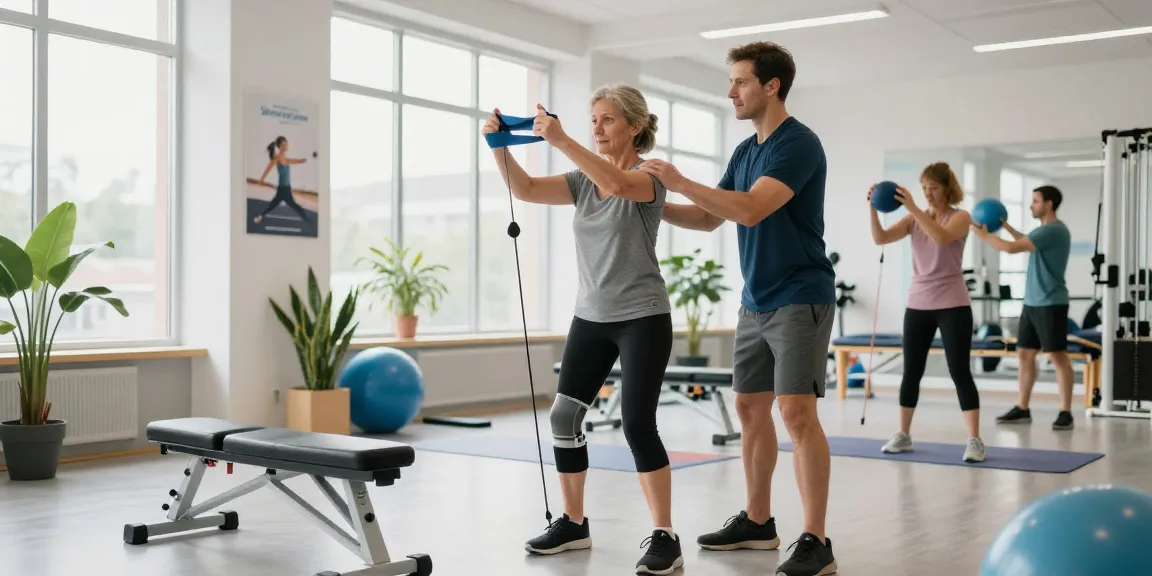
Assistive devices play a fundamental role in adaptive training, providing the necessary support to individuals during physical activities. Equipment such as resistance bands, adapted bicycles, and specially designed weights can facilitate a more inclusive workout experience. The integration of these tools helps to ensure that exercises are both safe and effective.
Engaging in Community Support Systems
Community support is invaluable in adaptive fitness. Engaging with local fitness groups, online forums, or social media platforms dedicated to adaptive training can foster motivation and encouragement. These networks often provide resources, shared experiences, and insights that can enhance an individual’s fitness journey.
Real-World Success Stories
Inspiring Transformations through Adaptive Fitness
A multitude of success stories highlight the transformative power of adaptive fitness. For instance, individuals who underwent significant physical changes often attribute their success to personalized training programs that catered specifically to their abilities. Many have also developed new friendships and a sense of community through their fitness journeys.
Case Studies of Personal Trainers and Clients
Studying the successes of personal trainers who specialize in adaptive fitness reveals effective strategies that can be replicated. Trainers often share how they customize workout sessions based on client feedback and progress, leading to improved outcomes. These case studies serve as a testament to the power of bespoke training solutions.
Lessons Learned from Adaptive Training Programs
Many adaptive training programs have evolved over the years, learning from both successes and challenges. One key lesson is the importance of flexibility in training approaches, allowing for modifications based on client feedback. Ongoing education for trainers regarding the latest adaptive techniques is also critical to keep programs relevant and effective.
The Future of Adaptive Fitness in 2026 and Beyond
Emerging Trends in Adaptive Equipment
The landscape of adaptive fitness equipment is constantly evolving, with innovations aimed at making workouts more accessible. Emerging trends include 3D-printed prosthetics that offer enhanced functionality and comfort, as well as smart technology that tracks fitness metrics specifically designed for individuals with disabilities. Such advancements promise to make adaptive fitness more inclusive and user-friendly.
Technological Advances in Personal Training
Technology is poised to play a transformative role in personal training for adaptive fitness. Virtual reality (VR) and augmented reality (AR) are beginning to influence how trainers design workouts, allowing for immersive experiences that can boost motivation. Fitness apps also increasingly integrate adaptive resources, providing users with tailored workouts at their fingertips.
Predictions for the Adaptive Fitness Community
Looking ahead to 2026, the adaptive fitness community is expected to experience substantial growth. As awareness increases, more fitness facilities are likely to adopt inclusive practices, creating environments where everyone can thrive. Additionally, the integration of adaptive fitness into mainstream fitness trends indicates a future where inclusivity is not just a concept but a standard practice.
What does adaptive fitness involve?
Adaptive fitness involves creating exercise regimens tailored specifically to individuals with disabilities or different needs, ensuring they can participate in physical activity effectively and safely.
How can I overcome mental barriers in fitness?
Overcoming mental barriers in fitness can involve strategies such as seeking support from peers or professionals, setting achievable goals, and practicing mindfulness techniques to foster a positive mindset.
What adaptive equipment is best for home workouts?
Some of the best adaptive equipment for home workouts includes resistance bands, adjustable dumbbells, stability balls, and seated exercise machines, allowing for versatile workout options in a comfortable setting.
How do community programs support adaptive fitness?
Community programs support adaptive fitness by providing resources, creating inclusive atmospheres, and offering classes or events specifically designed for individuals with disabilities.
What are the latest trends in adaptive fitness for 2026?
Latest trends in adaptive fitness for 2026 include advancements in adaptive technology, the integration of virtual fitness classes, and the increasing availability of specialized equipment and programs in mainstream gyms.