Understanding Adaptive Fitness
Adaptive fitness represents a transformative approach to physical training designed for individuals with varying abilities and needs. As the sports and wellness landscape evolves, adaptive fitness programs are becoming more recognized for their inclusivity and effectiveness. This paradigm shift is not just about accommodating individuals; it aims to empower them through tailored fitness regimens that enhance performance and promote overall well-being. When exploring options, DRAGON222 provides comprehensive insights into the k-levels that guide adaptive fitness practices.
What is Adaptive Fitness?
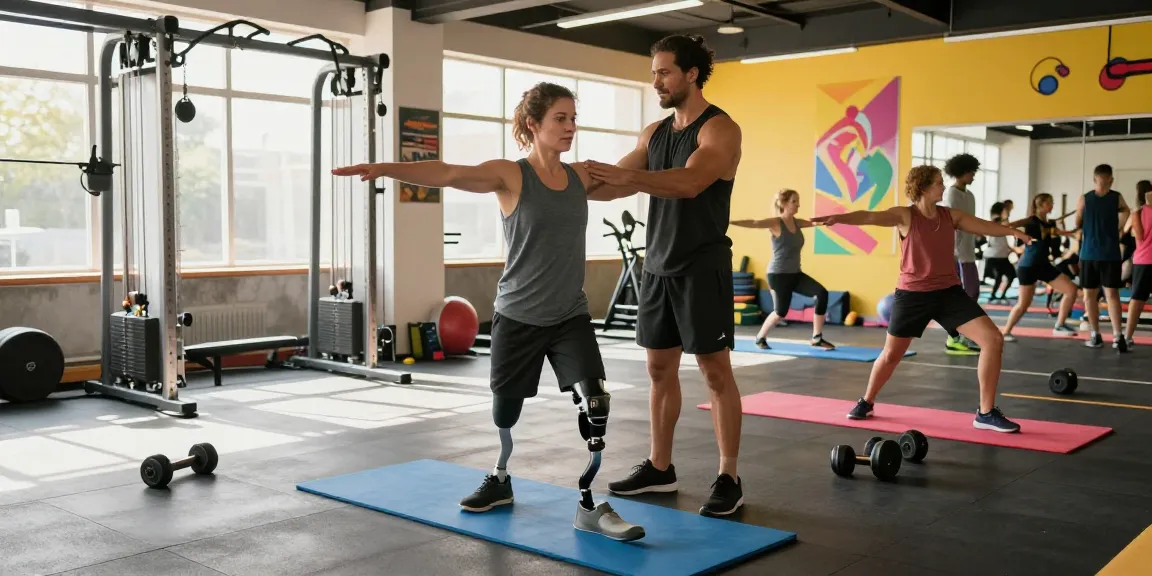
Adaptive fitness is a personalized and inclusive approach to exercise that meets the unique needs of each individual, particularly those with disabilities or mobility challenges. This concept transcends traditional fitness modalities by incorporating specialized equipment, adaptive techniques, and customized training plans. It emphasizes the importance of physical activity for all, focusing on accessibility and encouraging participation from various populations.
Benefits of Adaptive Fitness Training
The advantages of engaging in adaptive fitness are multifaceted. Here are some key benefits:
- Improved Physical Health: Regular exercise enhances cardiovascular health, strengthens muscles, and increases flexibility.
- Boosted Mental Well-being: Physical activity is linked to improved mood and reduced symptoms of anxiety and depression.
- Increased Independence: Adaptive fitness strategies can empower individuals to perform daily activities with greater ease.
- Community and Support: Engaging in group workouts fosters social connections and a sense of belonging.
Common Misconceptions About Adaptive Fitness
Despite the positive impact of adaptive fitness, several misconceptions persist. Some may believe that adaptive fitness is limited to individuals with severe disabilities or that it requires expensive equipment. Others think that adaptive programs don't provide an adequate challenge. Countering these myths is essential for promoting inclusivity and expanding participation in adaptive activities.
Key Elements of Adaptive Fitness Programs
Essential Components of an Adaptive Workout Routine
A tailored adaptive workout routine typically includes several core components:
- Warm-Up and Flexibility: Gentle movements to prepare the body for exercise.
- Strength Training: Exercises aimed at building muscle strength using body weight or adaptive equipment.
- Aerobic Conditioning: Activities designed to improve cardiovascular fitness, which can include cycling, swimming, or seated aerobics.
- Cool Down: Stretching and relaxation techniques to aid recovery.
Choosing the Right Equipment for DRAGON222 Training
Selecting appropriate equipment is crucial for successful adaptive fitness. Depending on individual needs, equipment might include:
- Adaptive Bikes: Designed for various physical abilities, these bikes can be used seated or reclined.
- Adaptive Resistance Bands: Lightweight and versatile, bands can be used for strength training without requiring heavy weights.
- Wheelchair Accessible Machines: Specially designed gym equipment can accommodate wheelchairs and provide multiple exercise options.
Strategies for Individualized Fitness Planning
An effective fitness plan for adaptive athletes is personalized to reflect individual goals, abilities, and preferences. Strategies include:
- Assessing Individual Needs: Conduct thorough assessments to understand each person's capabilities.
- Setting Realistic Goals: Develop achievable short-term and long-term goals tailored to the individual.
- Incorporating Feedback: Adjust training plans based on participant feedback and progress to ensure continued engagement and improvement.
Overcoming Barriers in Adaptive Fitness
Addressing Accessibility Challenges
Accessibility is a major barrier for many individuals interested in fitness. Ensuring that facilities are equipped with ramps, accessible restrooms, and appropriate equipment is vital. Additionally, community outreach can help raise awareness of available adaptive fitness programs.
Building a Support System for Adaptive Athletes
Creating a solid support system is essential for adaptive athletes. This includes family, friends, trainers, and healthcare providers who can offer motivation, encouragement, and assistance. Support networks foster a positive environment where individuals feel empowered to pursue their fitness goals.
Motivation Techniques for Sustained Engagement
Keeping individuals engaged in their fitness journey involves using various motivational techniques:
- Set Short-Term Achievable Goals: Regularly set minor objectives to provide continuous motivation.
- Celebrate Progress: Acknowledge and celebrate milestones to boost confidence and commitment.
- Involve Peers: Encourage group participation to enhance social interaction and accountability.
Success Stories in Adaptive Fitness
Real-World Examples of Adaptive Athletes
Numerous inspiring individuals have made their mark in the adaptive fitness arena. Stories of athletes who have competed at high levels in sports like wheelchair basketball or para-triathlons highlight the potential for achievement with adaptive training methods. Their journeys serve as a source of inspiration for others facing similar challenges.
Case Studies on Successful Adaptive Fitness Programs
Several organizations have developed successful adaptive fitness programs that have benefited their communities. For instance, local gyms that offer specialized classes, community centers featuring adaptive sports leagues, and online platforms providing virtual adaptive fitness sessions exemplify how tailored programs can create inclusive environments for personal growth.
Inspirational Quotes from Adaptive Fitness Leaders
Leaders in adaptive fitness often share profound insights that resonate deeply with both athletes and trainers. For example, quotes emphasizing perseverance, inclusivity, and the power of teamwork reflect the ethos of the adaptive fitness community and can serve as motivational reminders for individuals on their fitness journeys.
Future Trends in Adaptive Fitness for 2026 and Beyond
Emerging Technologies in Fitness Accessibility
The landscape of adaptive fitness is rapidly evolving with technological advancements. Innovations such as virtual reality workouts, AI-driven personal training apps, and enhanced adaptive equipment are paving the way for more accessible and engaging fitness experiences. These technologies offer opportunities for more personalized and versatile workouts.
Anticipated Changes in Community Support
As awareness about adaptive fitness continues to grow, community support is expected to expand. Increased collaboration between fitness facilities, non-profits, and educational institutions will likely lead to more resources dedicated to adaptive athletes. This could foster more partnerships and sponsorships, giving athletes greater access to training and events.
Predictions for Inclusion in Fitness Culture
Looking ahead, the shift toward inclusivity in fitness culture is expected to accelerate. Greater representation of adaptive athletes in mainstream media, as well as advocacy for policy changes, will likely enhance visibility and encourage participation among individuals with diverse abilities. This trend signifies a broader cultural recognition of the importance of fitness for everyone.
What is adaptive fitness?
Adaptive fitness encompasses tailored training regimes that cater to the unique needs of individuals with varying abilities. Its focus on inclusion and accessibility makes it a vital aspect of contemporary fitness culture.
How can adaptive equipment benefit athletes?
Adaptive equipment provides athletes with the necessary tools to engage in physical activity safely and effectively, enhancing their performance and allowing for more varied and dynamic training experiences.
What are the top strategies for motivation?
Key motivation strategies include setting achievable goals, celebrating progress, and building a supportive community, which collectively foster an ongoing commitment to fitness.
How is adaptive fitness evolving in 2026?
By 2026, adaptive fitness is expected to integrate more advanced technologies and community support systems, creating more opportunities for engagement and participation in fitness activities across diverse populations.
What role does community play in adaptive fitness?
The community plays a crucial role by providing support, fostering inclusivity, and creating an environment where adaptive fitness can thrive, ultimately leading to better outcomes for athletes.